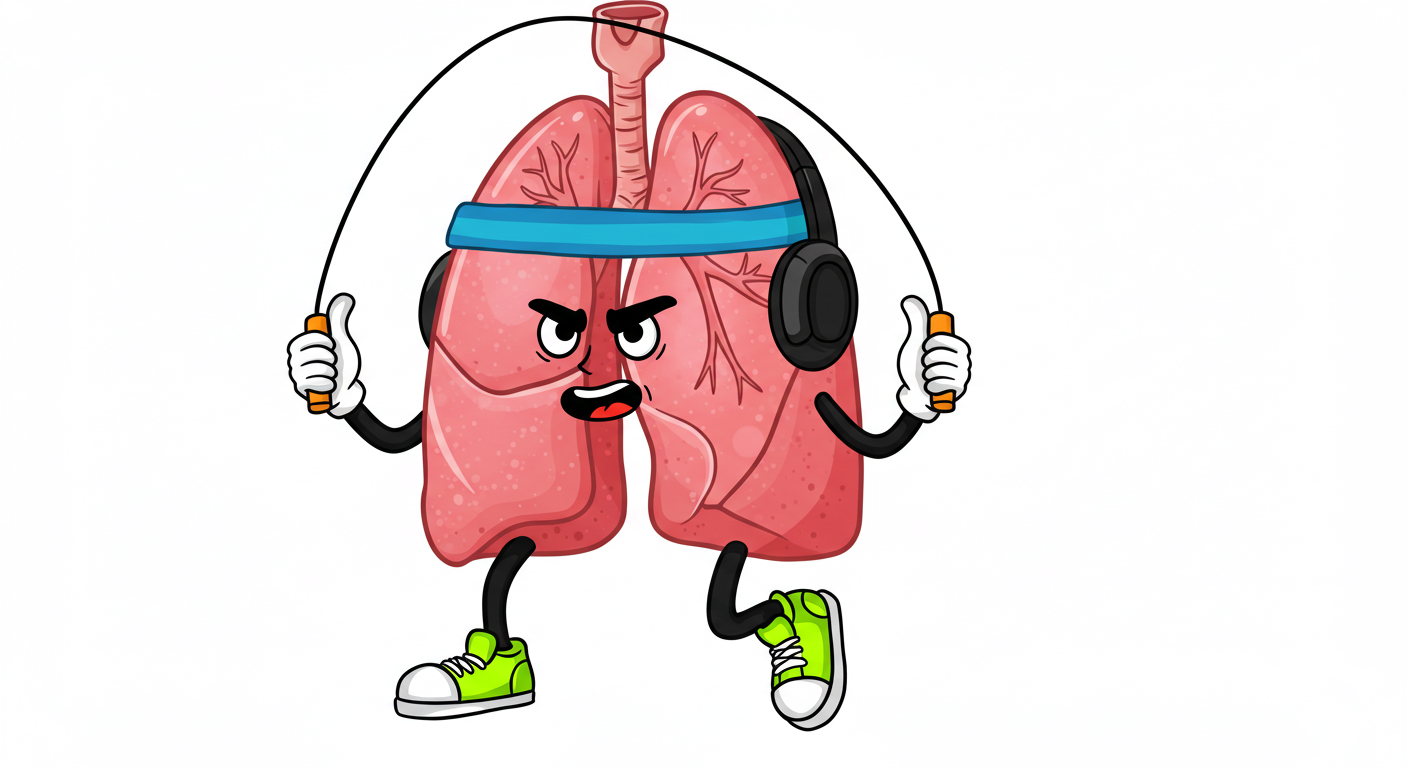
Breathe Easier with Confidence
Living with lung disease or heart conditions such as pulmonary arterial hypertension (PAH) or atrial septal defect (ASD) may present unique challenges, but it doesn’t mean you need to sideline exercise. In fact, incorporating safe physical activities into your routine is crucial for maintaining heart health and pulmonary health. Whether you’re navigating life with chronic obstructive pulmonary disease (COPD), asthma, or other respiratory conditions, regular exercise can significantly improve your quality of life. This guide offers empathetic, practical advice to help you stay active while prioritising your well-being.
Understanding the Benefits of Exercise for Lung Disease
Exercise might seem daunting if you’re living with lung disease, but it offers numerous benefits. It strengthens your respiratory muscles, improves your body’s efficiency in using oxygen, and enhances your overall stamina. More importantly, staying active can help alleviate symptoms of breathlessness and fatigue, common in heart and lung conditions. As a result, you may find it easier to perform daily activities and enjoy a better quality of life.
Consulting Your Healthcare Professional
Before embarking on any exercise programme, it’s vital to consult with your healthcare professional. They can provide personalised advice based on your specific condition, ensuring that your exercise routine is safe and tailored to your needs. Discuss any symptoms you experience, such as shortness of breath or chest discomfort, and collaborate with your doctor to create a plan that accommodates your health status.
Choosing the Right Type of Exercise
When considering exercise options, focus on activities that are low-impact yet effective. Walking, swimming, and cycling are excellent choices for individuals with lung disease. These exercises promote cardiovascular health without putting too much strain on your body. Additionally, yoga and pilates offer the dual benefits of enhancing flexibility and encouraging mindful breathing techniques, which can be particularly beneficial for those with respiratory conditions.
Pacing Yourself: Listen to Your Body
One of the most important aspects of exercising with lung disease is pacing yourself. It’s essential to listen to your body and avoid pushing yourself to extremes. Start with short, manageable sessions and gradually increase the duration and intensity as your fitness level improves. Remember, it’s perfectly okay to take breaks and rest whenever necessary. The goal is to build endurance over time, not to exhaust yourself.
Incorporating Breathing Techniques
For individuals with pulmonary health concerns, integrating breathing exercises into your routine can be incredibly beneficial. Practising deep breathing or pursed-lip breathing can help manage breathlessness and improve oxygen intake. Consider incorporating these techniques into your warm-up routine to prepare your lungs for physical activity.
Staying Motivated and Consistent
Maintaining motivation can be challenging, particularly when dealing with the ups and downs of lung disease. Set realistic goals and celebrate small achievements to stay encouraged. You might also consider joining a support group or finding an exercise buddy who understands your journey. Sharing experiences and encouragement can make a significant difference in maintaining an active lifestyle.
Embrace a Healthier Lifestyle
Exercise is a powerful tool in managing lung disease and enhancing heart health. By approaching physical activity with informed care and consideration, you can reap the benefits of improved pulmonary health without compromising your safety. Remember, every step you take towards an active lifestyle contributes to your overall well-being and vitality.
Safe Exercise Tips for People with Lung Disease