Are Your Lungs at Risk? Here’s What You Need to Know
You step outside, take a deep breath, and think nothing of it, but what if I told you that the air you’re breathing might be secretly harming your lungs? Yes, air pollution is not just a problem for the environment; it’s a personal health threat that many overlook. You might feel fine now, but the hidden effects can build up over time, impacting your health in ways you never imagined.
The Silent Invader: How Air Pollution Affects Your Lungs
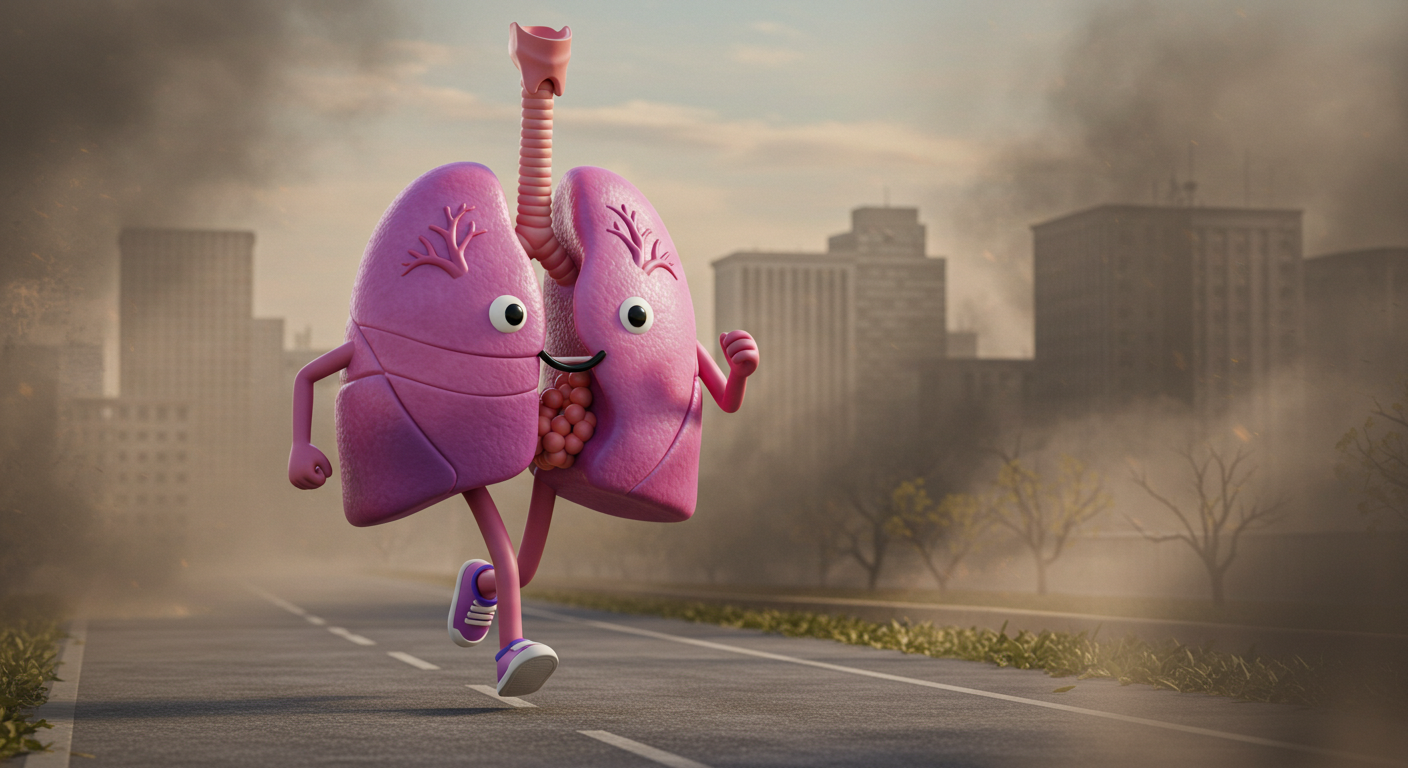
Air pollution is like that sneaky thief in the night, silently entering your body without you realising. Pollutants such as nitrogen dioxide and particulate matter (PM2.5) are tiny enough to slip past your body’s natural defences and settle deep in your lungs. A friend I know, a seemingly healthy runner in London, started experiencing breathlessness. She was shocked to learn her symptoms were linked to air pollution exposure, exacerbated during her morning jogs.
What This Means for You
If you live in a bustling city or near heavy traffic, you’re likely exposed to higher levels of air pollution. This means your lungs work harder to filter out these harmful particles, leading to long-term issues like reduced lung function and increased risk of respiratory diseases. Children, the elderly, and those with pre-existing conditions are particularly vulnerable.
Red Flags to Watch Out For
How do you know if air pollution is affecting you? Keep an eye out for these warning signs:
– Persistent cough or sore throat
– Shortness of breath, especially during or after outdoor activities
– Increased respiratory infections
Taking Action to Protect Your Lungs
It’s not all doom and gloom; there are steps you can take to minimise your exposure and protect your lungs. First, stay informed about the air quality in your area. Download an air quality app and check it before you head out. If levels are high, consider indoor activities. Secondly, invest in an air purifier for your home, and create a sanctuary from pollution.
Practical Steps for a Healthier Future
1. Install high-efficiency particulate air (HEPA) filters in your home.
2. Use public transport or carpool to reduce your own pollution footprint.
3. Advocate for green spaces in your community to help improve local air quality.
By following these insights, you can take control of your lung health. Remember, small changes can lead to big results. Keep breathing freely!