High blood pressure, or hypertension, is a common health issue affecting millions globally. It can feel daunting, especially for those already dealing with respiratory or heart conditions. However, there are natural ways to manage and even lower your blood pressure, helping you lead a healthier life without heavy reliance on medication. In this July update, we explore the latest insights and practical strategies to control high blood pressure naturally.
Understanding High Blood Pressure
Before diving into management strategies, it’s crucial to understand what high blood pressure is. Blood pressure measures the force of blood against your artery walls as your heart pumps. When this pressure remains consistently high, it can lead to serious health problems, including heart disease and stroke. Keeping it in check is vital for your overall well-being.
Diet: Your First Line of Defence
A balanced diet is pivotal in managing high blood pressure naturally. Incorporating foods rich in potassium, magnesium, and fibre can help regulate your blood pressure levels.
– Eat More Fruits and Vegetables: Aim to fill half your plate with a variety of colourful fruits and vegetables. These are packed with essential nutrients and antioxidants that benefit heart health.
– Reduce Sodium Intake: Excessive sodium is a known contributor to high blood pressure. Be mindful of the salt content in processed foods and try using herbs and spices for flavour instead.
– Whole Grains and Lean Proteins: Integrate whole grains like brown rice and quinoa into your meals, and opt for lean proteins such as chicken, fish, and legumes.
Exercise: A Heart-Healthy Habit
Regular physical activity is a cornerstone of natural blood pressure management. Exercise strengthens your heart, enabling it to pump blood with less effort, reducing the force on your arteries.
– Start Small: If you’re new to exercise, begin with short walks and gradually increase your pace and duration. Aim for at least 150 minutes of moderate aerobic activity or 75 minutes of vigorous activity each week.
– Incorporate Strength Training: Building muscle can also benefit your heart. Try incorporating strength training exercises twice a week.
Managing Stress: A Key Component
Stress can exacerbate high blood pressure, making stress management crucial. Here are some techniques to help you stay calm and composed:
– Mindfulness and Meditation: Practice mindfulness or meditation for a few minutes each day. These practices can help lower stress hormones and blood pressure.
– Deep Breathing Exercises: Deep, slow breaths can help relax your body and lower your heart rate.
– Engage in Hobbies: Set aside time for activities you enjoy, whether it’s reading, gardening, or painting, to take your mind off daily stressors.
Sleep: The Unsung Hero of Heart Health
Quality sleep is often overlooked but is vital for maintaining healthy blood pressure. Aim for 7 to 8 hours of restful sleep each night.
– Establish a Routine: Go to bed and wake up at the same time every day, even on weekends.
– Create a Sleep-Friendly Environment: Ensure your bedroom is dark, quiet, and cool. Consider using earplugs or a sleep mask if needed.
Stay Informed and Take Control
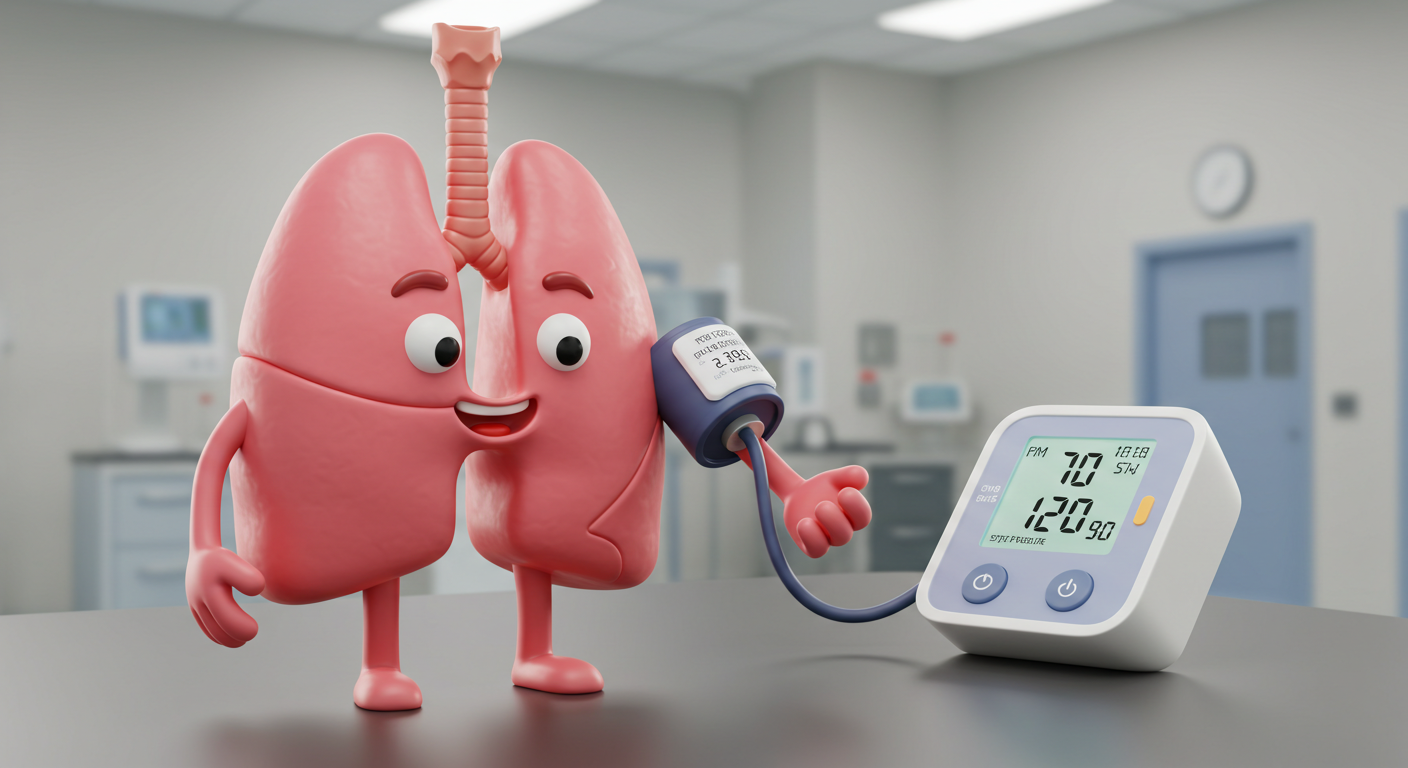
Staying informed about your health condition empowers you to make the best decisions for your well-being. Regularly monitor your blood pressure at home and keep track of any changes. This proactive approach allows you to notice improvements or identify when you may need to consult a healthcare professional.
Conclusion
Managing high blood pressure naturally is a holistic journey that involves diet, exercise, stress management, and good sleep hygiene. These lifestyle changes not only help in controlling blood pressure but also improve your overall quality of life. Remember, small, consistent steps can lead to significant health benefits. Stay encouraged, stay informed, and take control of your health journey.